9 Best Self Propelled Battery Powered Lawn Mowers
From leading brands and best sellers available on the web.By clicking on a link to a third party's website, log data is shared with that third party.
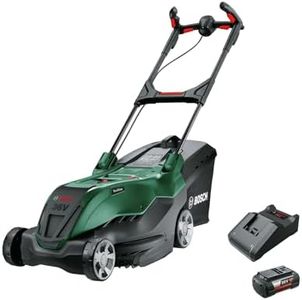
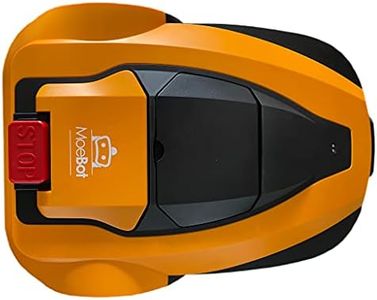


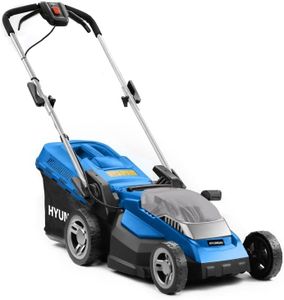
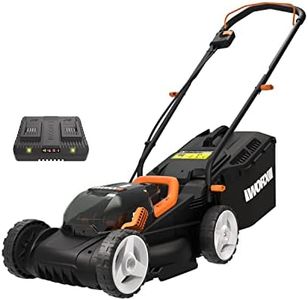
Buying Guide for the Best Self Propelled Battery Powered Lawn Mowers
Choosing a self-propelled battery-powered lawn mower can make your lawn care routine much easier and quieter, especially if you are looking to avoid the hassle of gasoline and the weight of corded electric models. Self-propelled models give you extra help by moving the mower forward for you, which is especially handy on slopes or larger yards. The battery-powered design means no emissions, less maintenance, and less noise. To find the best fit for you, it's important to understand the main features and what they mean for everyday use.Battery Capacity (Voltage and Amp-Hours)The battery capacity is a combination of voltage (V) and amp-hours (Ah). Voltage generally affects how much power the mower has, while amp-hours determines how long the battery will last on a single charge. Higher voltage (typically 36V to 80V) often means more cutting power, which is suitable for thick or tall grass. A higher Ah rating (usually 2.5Ah to 7.5Ah) means more run-time. If you have a larger lawn or thicker grass, a mower with a higher voltage and amp-hour battery will help you mow the entire yard without having to recharge.
Cutting WidthCutting width is the width of grass the mower cuts in a single pass, commonly ranging between 16 inches and 22 inches. A wider cutting width allows you to cover more ground in less time, which is great for larger lawns. However, for smaller yards or lawns with many tight spaces or obstacles, a narrower cutting width may allow for better maneuverability and easier storage. Think about the size and layout of your lawn to decide which is best for you.
Drive System (Single vs. Variable Speed)The drive system of a self-propelled mower determines how the mower moves forward. Single-speed mowers move at one constant speed, while variable-speed models let you adjust the pace to match your walking speed and mowing needs. If you have a simple, flat yard, single-speed may be sufficient. For yards with slopes or if you want flexibility, a variable-speed drive gives you better control and comfort.
Deck MaterialThe deck is the housing that covers the blade and comes in materials like steel, aluminum, or plastic (polymer). Steel decks are durable but heavier and can rust if not cared for. Aluminum decks are lighter and don’t rust but can be more expensive. Polymer decks are resistant to corrosion and generally lighter, although they may not be as tough as metal under heavy use. Choose a deck material based on your priorities for durability, weight, and ease of handling.
Cutting Height AdjustmentCutting height adjustment lets you set how short or tall the grass will be after mowing. Most mowers have a range (for example, 1 to 4 inches) and use either a single lever or individual wheel adjusters. If you want to easily switch heights (for different grass types or seasons), look for a model with a wide range and easy, single-lever adjustment for convenience.
Grass Handling Options (Bagging, Mulching, Side Discharge)Grass handling refers to what you can do with the clippings as you mow. Most mowers can bag the clippings, mulch them back into the lawn, or discharge them out the side. Bagging keeps your lawn tidy but requires you to empty the bag. Mulching finely chops clippings to feed nutrients back into the lawn. Side discharge is handy on taller grass or less-maintained areas. Consider which method you prefer or if you want the flexibility to switch between them for different conditions.
Noise LevelAlthough battery-powered mowers are generally quieter than gas ones, noise levels can vary. A quieter mower is better for early morning mowing or minimizing disturbance to neighbors. If noise is a concern for you, look for manufacturer information on decibel ratings or user reviews mentioning quiet operation.
Weight and ManeuverabilityThe weight of the mower affects how easy it is to turn and push, especially around landscaping or in tight spaces. While self-propulsion helps move it forward, you’ll still need to turn and guide it. Lighter mowers are typically easier to handle, especially if you have slopes, curves, or a lot of obstacles. If managing a heavier unit sounds difficult, focus on models known for their light weight and easy maneuverability.
Battery Charging TimeCharging time is how long it takes to recharge the battery from empty to full. Some batteries charge in under an hour while others may take several hours. If you don’t want to wait long between sessions or if your lawn is large, you may benefit from quick-charging batteries or having a spare battery ready to swap in.