8 Best Milwaukee Circular Saws
From leading brands and best sellers available on the web.By clicking on a link to a third party's website, log data is shared with that third party.

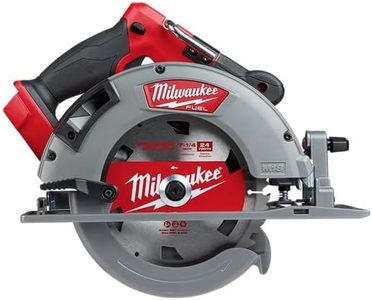
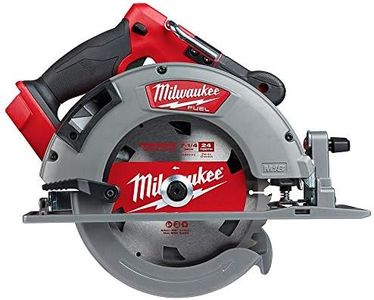
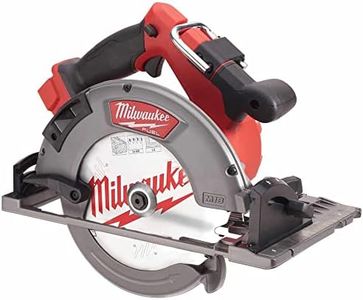
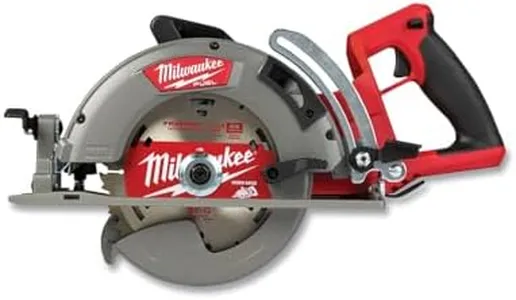

Buying Guide for the Best Milwaukee Circular Saws
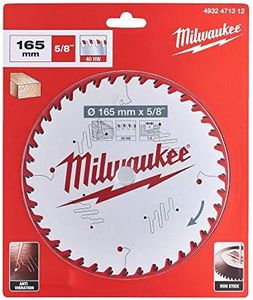
Choosing a circular saw can be a little overwhelming because there are various features and specifications to consider, each having a big impact on how well the tool will work for your needs. It's important to start by thinking about what types of projects you'll use the saw for—occasional home DIY, frequent renovation, or professional construction. Then, look closely at the main aspects that set saws apart, focusing on those specs that matter most for your intended use. By understanding what each major specification means and how it affects performance, you'll be able to narrow down the options to the saw that fits your needs best, making your work both easier and more efficient.Blade SizeBlade size refers to the diameter of the circular saw blade and is one of the most important features to look at because it determines the maximum depth of cut the saw can make. Most common are 6 1/2-inch and 7 1/4-inch blades, with larger blades able to cut through thicker materials in one pass. If you'll mainly cut standard lumber or sheet goods, a smaller blade is enough, but for deeper cuts or more demanding projects, a larger blade is the better choice. Consider your typical tasks: lighter, small blade for portability and ease, or larger blade for more capability.
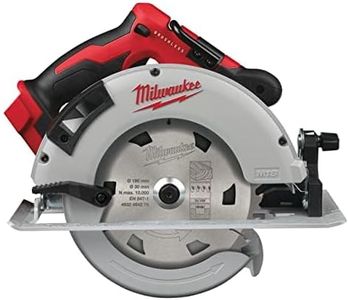
Power SourceCircular saws can be corded (plugged in) or cordless (battery powered). This spec is crucial because it affects convenience, runtime, and power. Corded saws offer unlimited runtime and steady power, making them best for long jobs near an outlet. Cordless saws provide more mobility and are great for jobsites or outdoor work, but runtime is limited by battery life. Decide based on where and how long you’ll use the saw—in the workshop or on the move.
Motor PowerMotor power, measured in amps for corded and volts for cordless, impacts how easily the saw can handle tough materials. Higher numbers mean the saw can make smoother, faster cuts in dense or thick wood. For light, occasional tasks, lower power is fine, but for frequent heavy-duty use, look for more powerful motors to avoid slowing down or stalling.
WeightThe weight of the saw matters because you'll be holding and maneuvering it for extended periods. Lighter saws are easier to control and less tiring, especially for overhead or vertical cuts, while heavier saws provide more stability on the cut. If portability and comfort are your priorities, consider a lighter tool, but if a steady hand for long straight cuts matters more, a bit more weight can help.
Bevel CapacityBevel capacity measures how far the saw can tilt to make angled cuts, usually up to 45 or 56 degrees. This is important if you plan to make a lot of mitered or beveled cuts, such as in trim work or framing. If you'll mostly do straight cuts, this may not matter much, but more bevel range gives extra flexibility for complex projects.
Cutting DepthCutting depth is simply how deep the saw can cut through material at both 90 degrees (straight down) and at the maximum bevel. This spec is important for knowing what thickness of lumber and sheet goods you can cut in one pass. If you regularly work with standard 2x lumber, make sure the saw's cutting depth is enough for a single clean cut.
Safety FeaturesLook for features like blade guards, electric brakes, and trigger locks, all of which help prevent accidents and make the saw safer to use. If you’re newer to using power tools or you’ll be using the saw in busy environments, prioritizing these features is wise.