10 Best Enzyme Pet Cleaners
From leading brands and best sellers available on the web.By clicking on a link to a third party's website, log data is shared with that third party.
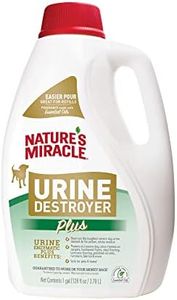
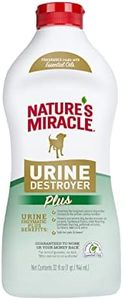
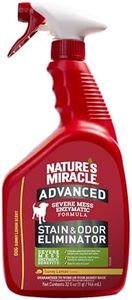
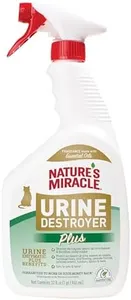

Related Products
Up to 10% off

Buying Guide for the Best Enzyme Pet Cleaners
Enzyme pet cleaners are specialized cleaning solutions designed to break down and remove stains and odors caused by pets, such as urine, feces, vomit, and more. When choosing an enzyme-based cleaner, it’s important to understand how they work and what features matter most to ensure the product fits your cleaning needs. Selecting the right cleaner can help keep your home smelling fresh and minimize the chance of pets returning to the same spot.Type of EnzymesEnzyme cleaners use different types of enzymes (like protease, amylase, or lipase) to break down various organic messes. Protease targets protein-based stains (like urine or blood), amylase breaks down carbohydrates, and lipase works on fats. Some products combine several enzymes for a broader cleaning approach. Think about what type of pet messes you most frequently encounter; for example, if you mostly deal with urine and feces, a broad-spectrum or protease-heavy cleaner is likely best.
Surface CompatibilitySurface compatibility refers to what kinds of materials the cleaner can be used on, such as carpets, hardwood, tile, upholstered furniture, or even clothing. Some enzyme cleaners are formulated to work on a wide range of surfaces, while others are best for just one type. Check the label to ensure the product is suitable for the surfaces in your home. If you have mostly carpeted areas, pick one labeled safe for carpets; for a mix of surfaces, look for a multi-surface product.
Odor NeutralizationOdor neutralization is a key feature in enzyme pet cleaners since pet messes can leave lasting smells. Some cleaners only clean the stain, while others have special ingredients to destroy odors or add a pleasant scent. If lingering smells are a big issue in your home, make sure the cleaner specifically mentions odor neutralization or odor-eliminating properties rather than just ‘fresh scent,’ which can be more about masking odors than eliminating them.
Application MethodEnzyme cleaners come in different formats such as sprays, pour bottles, foams, and concentrates. Sprays are convenient for spot cleaning, while pours or concentrates may be better suited for large messes or for use in carpet cleaning machines. The best application method depends on your typical cleaning situation; spot cleaning for occasional accidents favors sprays, while frequent or larger clean-ups might be easier with pourable solutions or those that work with machines.
Drying TimeDrying time refers to how long the product needs to work before the area is dry and usable again. Some enzyme cleaners require several hours or even overnight to break down stains and odors effectively, while others offer quicker results. Consider how quickly you need to use the cleaned area again; for high-traffic areas, faster-drying formulas may be more practical, while more thorough cleaners with longer drying times might be better for deep cleaning.
Safety for Pets and PeopleSafety is crucial since these cleaners are often used in areas where pets and children play. Look for products that are non-toxic, environmentally friendly, and clearly labeled as safe around pets and children. This is especially important if your pets like to lick or rest on cleaned surfaces. Always double-check for any warnings about residues or strong chemicals if your household has sensitive pets, small children, or allergies.